My Personal story
Spending six years in the US Navy with the first two on a ship, I did for about a month,what is referred to as “cranking”. Which is pretty much time spent in the galley cleaning the dishes, the cookware, and the eating area. All that time with cleaning, I soon developed dermatitis (extreme sensitivity to detergents). This affected my ability to clean at home as well. Fast forwarding through my classes (Hospital Corpsman School and Pharmacy Technician), I was stationed at Pensacola Naval Hospital, at any medical facility you washed your hands very frequently which flared up my dermatitis so much that my hands would crack open and bleed. Lotion was a much needed thing but it never really seem to help me and I couldn’t help but wonder why. This went on for the three years I was there. When I finished with my contract, it still plagued me. When we bought milking goats and were soon faced with excess milk, a family member suggested that we make soap. So my husband researched and informed me of something that I had previously questioned, “Why was the lotion not really helping?” . The answer was one word, glycerin. Glycerin naturally happens in soap production but “soap” manufacturers take this great substance and remove it from the soap producing inferior soap. When we made our first batch, I wasn’t sure what to expect, perhaps nothing would change. I was wrong, glycerin and the moisturizing qualities of the goat’s milk actually attracted the moisture to my skin that it had been lacking for so long. Now I know there are “soaps” out there that contain moisturizer, but here is a food for thought: what good does it do you if you constantly wash it off? My hands now require much less lotion and I couldn’t be more thrilled. Thank you for taking the time to read my story. If you have a story please share your skin dilemma with me at alena@woodlandsoap.com
Alena Snyder
Facts about Our Soaps
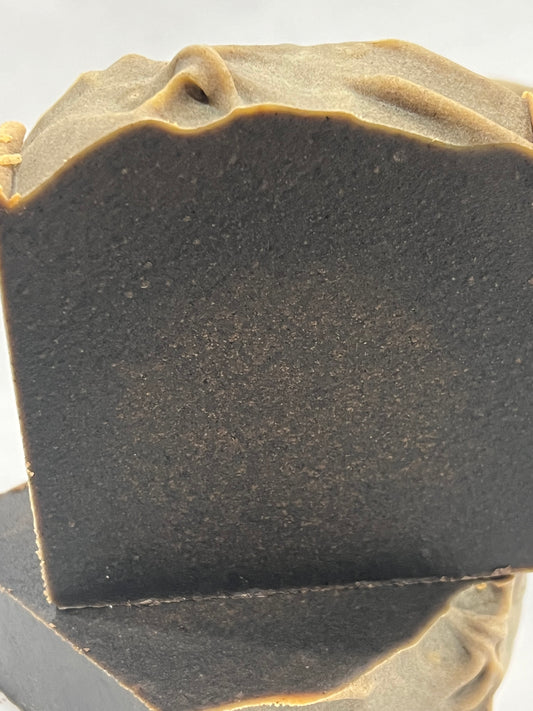
- Every bar is made from the purest ingredients available.
- Each bar contains skin-nourishing Goat’s Milk.
- We primarily use the Cold Process method to make our soaps. Commercial soap factories use a process in which they separate the glycerin from the soap. Commericial manufacturers sell the glycerin separately for use in other products including lotions, toothpastes, and explosives. In our soaps, all of the moisturizing glycerin remains in every bar. Glycerin is well established as a humectant which means it has the ability to attract water molecules from the surrounding environment making it highly desirable as a moisturizer.
- All soaps use Lye (Sodium Hydroxide) or Caustic Potash (Potassium Hydroxide) to convert the oils into soap salts. When created properly, there is no lye remaining in the finished soap.
- Each batch of Woodland Soap has a 7-8% lye discount which guarantees all lye is used in the saponification process, leaving behind the most moisturizing soaps possible.
Current Products
![]() | ![]() |
![]() | ![]() |